 BLOGS
BLOGS
Milk Protein Concentrate India: Dairy Cost Story
From Whey to Milk Proteins: India’s Next Dairy Ingredient Cost Story
The dairy ingredient market in India is no longer being shaped by whey alone. For much of 2025, the focus was on WPC80 - why it repriced, how long the tightness would last, and whether the market would finally ease. The answer was simple: it took longer than expected.
But that is only part of the story. As whey stayed firm, the pressure began spreading into milk protein concentrate in India, milk powder pricing, packaging, freight, and landed cost. A weaker rupee has added another layer of pressure on anything imported. This is no longer one market movement. It is several, happening at the same time.
India’s milk base is strong. The specialty-ingredient exposure is not.
India produces close to 250 million tonnes of milk annually, making it the world’s largest milk producer. That domestic base remains well supplied. The challenge is not milk in the broad sense. The challenge lies in the part of the basket that sits outside the commodity tier: specialty proteins, imported dairy derivatives, and performance packaging materials. That is where the cost environment has worsened.
The farmgate side of the market still looks steady. The ingredient stack does not. That is why the real question in 2026 is not “Do we have milk?” It is, “How protected are we when the imported part of the basket gets more expensive?” For many businesses, the answer is less protection than they expected.
Why milk protein concentrate is back in formulation conversations
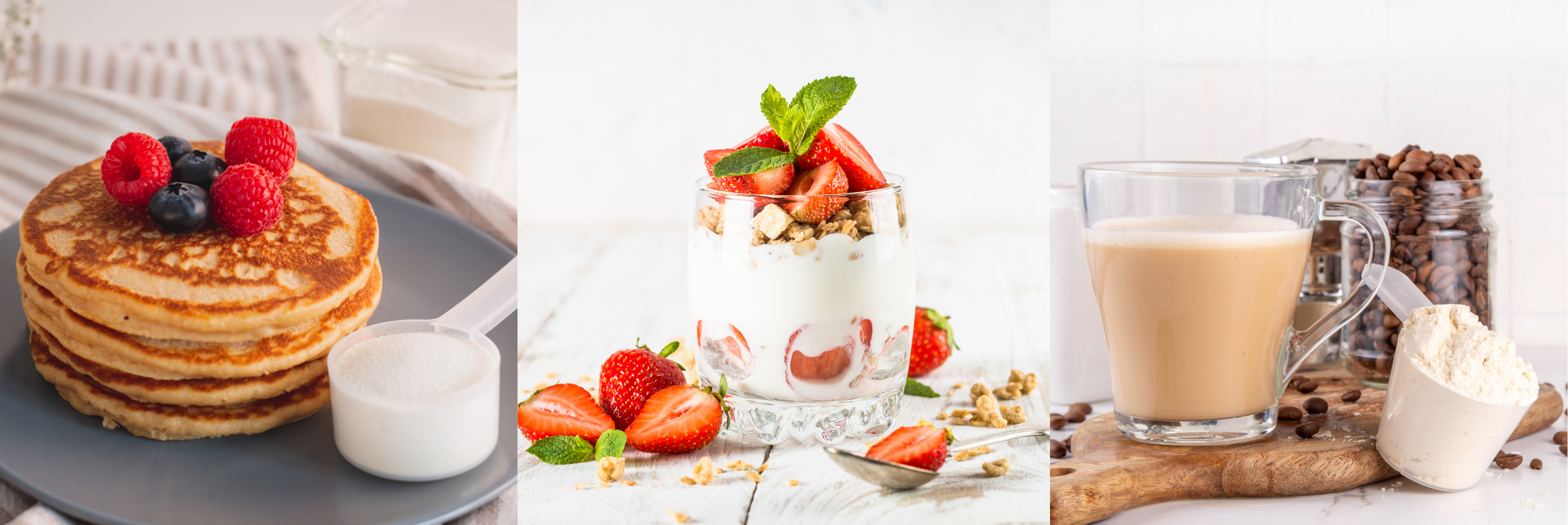
When whey protein stays expensive for too long, formulators start looking at the broader dairy protein toolkit. That is what is driving fresh interest in milk protein concentrate (MPC) and milk protein isolate (MPI).
MPC is made by ultrafiltration of skim milk, a process that concentrates native proteins, primarily casein and whey in their natural ratio - while reducing lactose. This concentration preserves the native milk protein profile, delivering key functional benefits: clean dairy flavour, superior emulsification, slower digestion, and excellent texture.
MPC is not a direct replacement for whey in every application. In sports nutrition and RTD shakes, whey still works better where fast absorption and high protein density are required. But MPC becomes highly relevant in cultured dairy enrichment, beverages, fortified foods, and cost-planning scenarios where prolonged whey tightness makes MPC-based formulation more attractive over a 6 -12 month horizon.
Where MPC and MPI are gaining attention in India
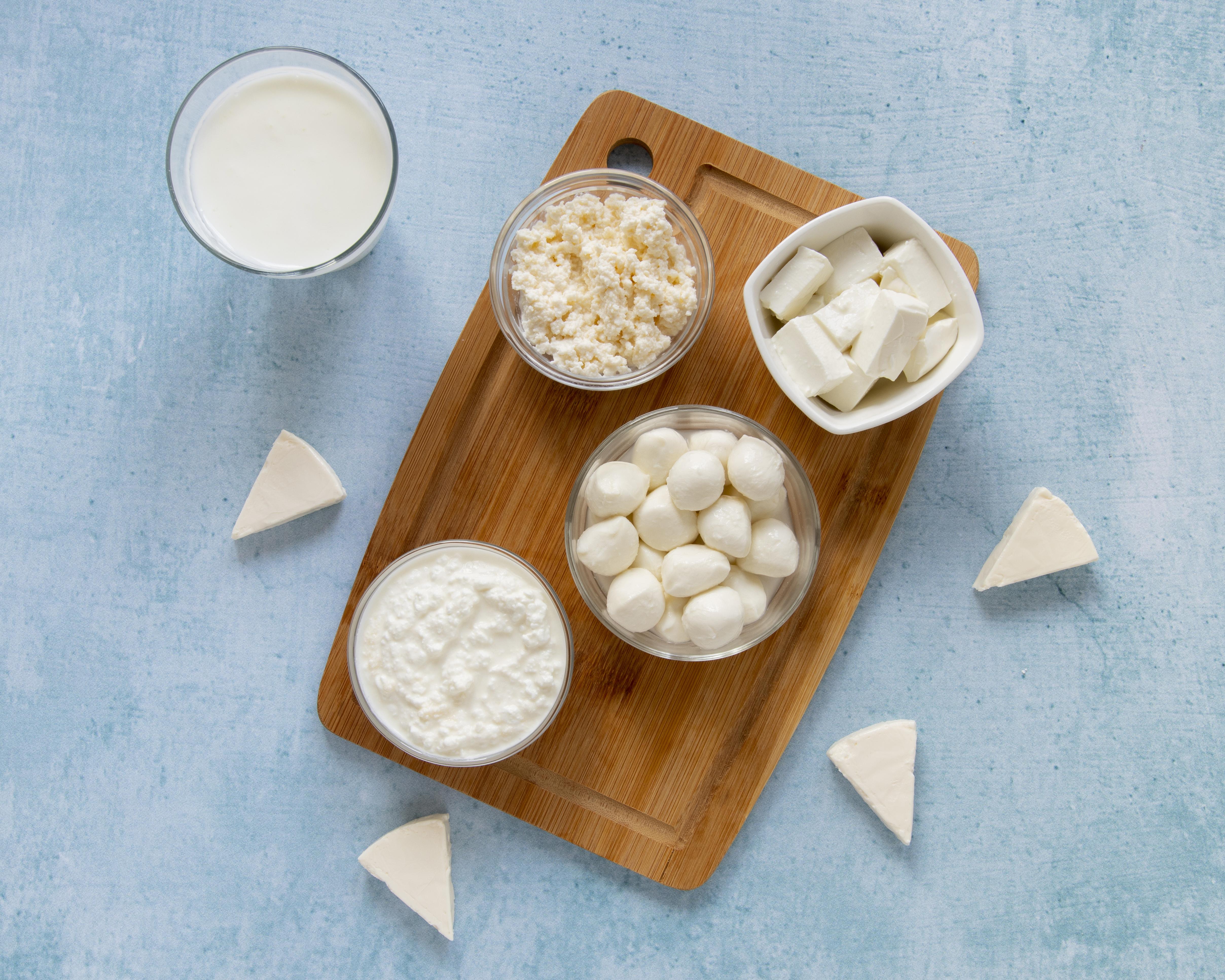
The main categories are beverages, cultured dairy, nutrition powders, infant and medical nutrition, selected bakery, and fortified foods. In beverages, this includes flavoured milk, protein-enriched UHT, and RTD nutrition formats. In cultured dairy, it includes yogurt, Greek-style products, and probiotic formats. In nutrition powders, the interest covers sports and general health nutrition. In infant and medical nutrition, MPC matters because of tighter protein specs and native casein-to-whey ratio alignment. In bakery and fortified foods, it helps with emulsification, moisture retention, and protein density.
Ace International supplies MPC and MPI across these categories - see our dairy protein range on the website: https://aceinternational.co.in/ingredients/dairy-proteins/Milk-Protein-Isolate https://aceinternational.co.in/ingredients/dairy-proteins/Milk-Protein-Concentrate
SMP prices are turning firmer again
Milk powders are also firmer. March 2026 saw the first FAO dairy price index increase in several months, with SMP, butter, and WMP all moving up together. Many buyers expected Q2 to bring some relief, but April’s GDT told a different story. SMP kept rising, while butter and WMP eased back.
That matters because SMP is used directly in pricing calculations for nutritional powders, dairy beverages, and recombined dairy products. So the pressure is not isolated to one product line. It moves across the cost chain. The market is not seeing a temporary bump; SMP is firming into a structural direction.

Trade and freight: the caution has not gone away
The Middle East ceasefire improved sentiment, but it did not restore normal trade conditions for dairy ingredient buyers in India. Shipping through Hormuz has not returned to normal. War-risk insurance premiums have not fallen in line with the headlines. Operators are still cautious.
That means imported specialty proteins and dairy derivatives are still entering a cost environment that is slower, more expensive, and harder to plan around than it was 12 months ago. Infrastructure, insurance, and operator behaviour always move slower than the news cycle, and that lag continues to shape landed cost.
Dairy packaging costs are rising across every format
Packaging is now part of the same cost story. Dairy ingredients move in 25 kg sack kraft bags, bulk bags, corrugated boxes, and flexi-totes. Every format is more expensive than it was at the start of 2026.
Sack kraft paper prices have risen meaningfully. Corrugated is up around 10%. Polymer-based formats like PE liners and woven PP bulk bags remain crude-linked. And the weaker rupee means any imported packaging input lands at a higher rupee cost before the underlying commodity has even moved.
These pressures do not stay isolated. A per-unit increase may look manageable, but when it runs through an entire quarter at volume, it shows up clearly on the P&L. Businesses that have not revisited their packaging cost model since the start of the year may already be working with outdated assumptions.

What this means for your ingredient strategy
India’s dairy ingredient market is entering a more selective phase. The commodity milk story is still solid. The pressure is building in the specialty and imported ingredient side of the basket - protein sourcing, powder pricing, packaging inputs, freight, and currency.
The businesses that manage this well will not be the ones chasing the best spot price on a single day. They will be the ones asking the right portfolio-level questions: Which protein gives the most formulation flexibility if whey stays firm? Which packaging format carries the least crude and currency exposure? Where does domestic sourcing reduce risk? This is the shift from ingredient pricing to portfolio strategy.
At Ace International and Mahaan Milk Foods, we work with food and beverage manufacturers across these questions - formulation fit, application planning, and supply-chain structure. If you are working through any of these decisions, we are happy to start the conversation.
Email us: sales@aceinternational.co.in
Latest Blogs
-
 Aug 31, 2025 > By Ingredient Spotlight
 -
 Oct 04, 2025 > By Innovation
 -
 Oct 04, 2025 > By Ingredient Spotlight
 -
 Nov 27, 2025 > By Press Release
 -
 Apr 13, 2026 > By Thought Leadership
 -
 May 04, 2026 > By Thought Leadership
 -
 Jun 05, 2026 > By Ingredient Spotlight
 -
 Jul 16, 2026 > By Thought Leadership
 -
 Sep 07, 2026 > By Thought Leadership