| Q1 2026 Market Update |
April 2026 |
The Whey Forward
The Whey Protein Market Is Repricing. Here's What's Driving It.
By Aditya Goyal • Ace International Limited • Mahaan Milk Foods Limited
Covering January-March 2026
|
18-22%
WPC 80% price increase in Q1
|
|
254M MT
India's milk production (2024-25)
|
|
80%+
of India's whey protein is imported
|
|
|
AG
|
Aditya Goyal
Ace International Limited • Mahaan Milk Foods Limited
|
|
|
Summary
|
|
WPC 80% prices up 18-22% this quarter. WPI up 20-25%. This isn't cyclical - it's structural. |
|
|
GLP-1 weight management drugs are creating an entirely new demand vertical for whey protein isolates. Most people in the dairy industry aren't watching this closely enough. |
|
|
Middle East conflict is reshaping global dairy trade dynamics with direct implications for India's sourcing strategy. |
|
|
India produces 254 million MT of milk (2024-25) - yet imports over 80% of its whey protein. That gap is becoming a strategic vulnerability. |
|
|
Alternative proteins are growing at 12-15% CAGR. Dairy protein still dominates on functionality. Both will coexist. |
|
1. The Big Picture
Dairy Protein Has Outgrown Its Category
Whey protein is no longer a sports nutrition ingredient. It's now central to clinical nutrition, infant formula, bakery, functional beverages, and as of this year - GLP-1 weight management nutrition.
|
$16B+
Projected global whey protein market by 2028
|
|
7-8%
Annual demand growth rate
|
More importantly, demand is now diversified across multiple industries, making it structurally resilient rather than cyclically dependent on any single category. For anyone sourcing, formulating, or trading dairy proteins - the competitive landscape has fundamentally changed.
|
 |
|
2. Q1 Pricing
What Happened and What It Means
WPC 80 climbed 18-22% between January and March. WPI moved 20-25%. Three forces are driving this simultaneously.
|
18-22%
WPC 80% price increase (Q1 2026)
|
|
20-25%
WPI price increase (Q1 2026)
|
|
Compounding Demand
Sports nutrition continues to grow at ~9% globally. India's sports nutrition market grew over 20% in 2025. Infant formula manufacturers are locking in long-term whey contracts at premium prices, pulling volume off the spot market.
|
|
The GLP-1 Demand Shock
This is the underappreciated story of 2026. Patients on GLP-1 medications (semaglutide, tirzepatide) need protein-dense, low-volume nutrition to prevent muscle loss. Major clinical nutrition companies, functional food brands, and dozens of D2C startups are all competing for WPI supply.
Industry observers suggest GLP-1-adjacent nutrition products could become a significant new demand vertical for whey protein over the next 2-3 years, potentially comparable in scale to some mid-sized national import markets.
|
|
Supply Isn't Keeping Up
Whey is a by-product of cheese production. EU cheese production grew just 0.8% in 2025. US at 1.2%. Processing capacity for high-concentration products (WPC 80, WPI) hasn't expanded proportionally.
|
|
Q1 2026 Whey Protein Price Trend
Indexed price movement, January-March 2026 (Jan = 100)

|
|
Global Whey Protein: Demand vs Supply
Market value in USD billions, 2020-2028 (est.)

Illustrative trend based on industry estimates
|
"We don't see meaningful price correction in the first half of 2026. The GLP-1 demand driver is still in early innings."
- Aditya Goyal
3. Geopolitics
What's Shifting
|
◆
|
Middle East uncertainty. The ongoing conflict continues to create shipping disruptions and additional freight costs on European dairy shipments to Asia. More broadly, it's driving competing demand from the MENA region for imported dairy proteins - particularly infant and clinical nutrition - which tightens the same supply pool India draws from. |
|
◆
|
The strategic signal. Between geopolitical volatility and a supply-constrained global market, the case for reducing import reliance on whey proteins is getting stronger each quarter. |
|
 |
|
4. The India Paradox
World's Largest Milk Producer. Whey Protein Importer.
|
254M MT
India's annual milk production (2024-25)
|
|
80%+
Whey protein imported
|
Why? India's dairy industry is predominantly liquid milk-oriented. Only 5-6% of milk goes into cheese production (versus 35-40% in Europe/US), so there's limited whey generation. The processing infrastructure for concentration and isolation - ultrafiltration, spray drying at scale - has been slow to develop.
The opportunity. India has done extraordinary work building milk production capacity over decades - from Operation Flood to the cooperative movement to recent PLI schemes. The natural next chapter is value addition: converting by-products like whey into high-value proteins domestically, rather than exporting commodity dairy and importing finished protein ingredients. That's a value chain gap worth closing.
|
What We're Building
From Hathras to Kuppam
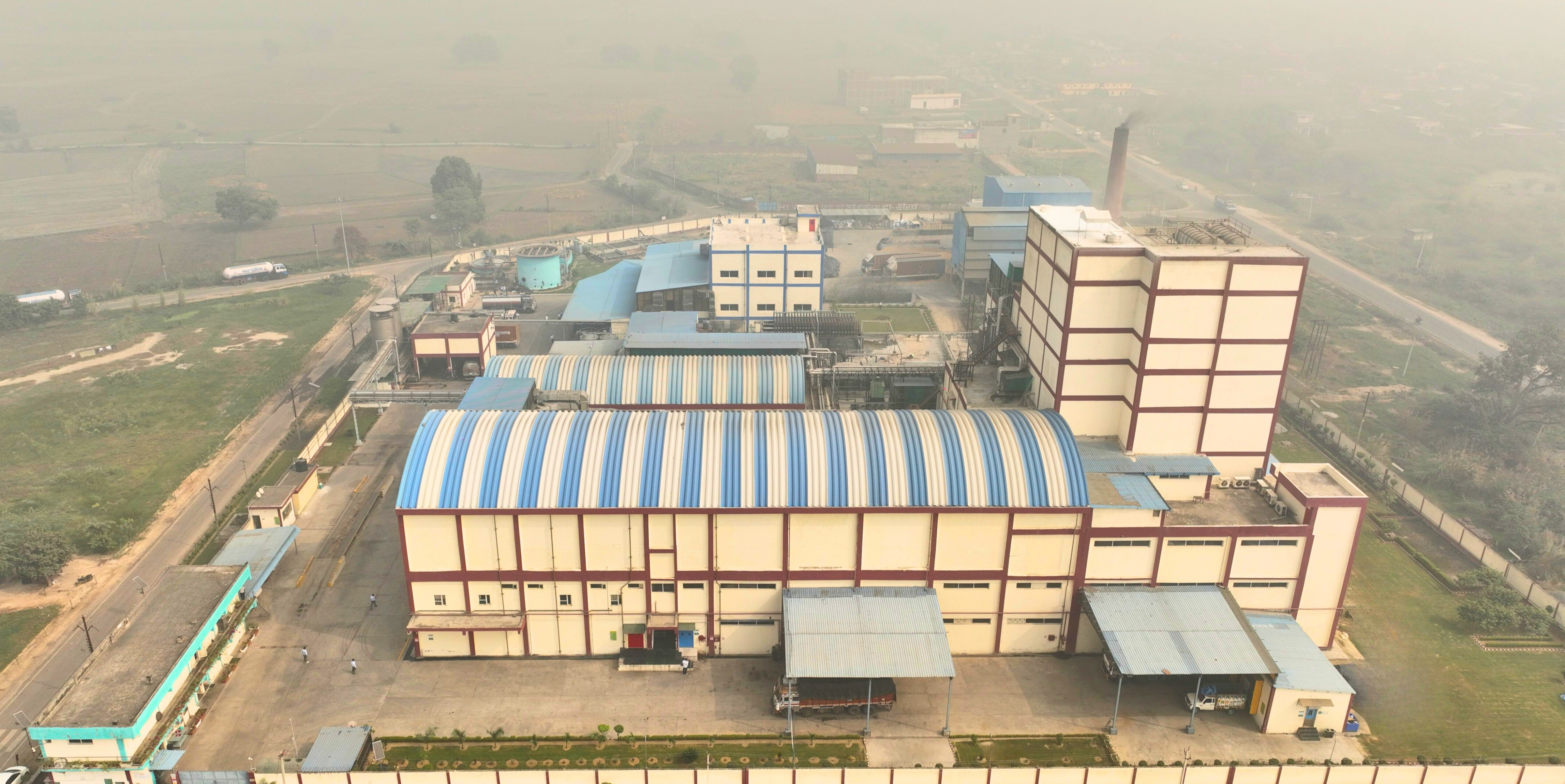
Our existing facility in Hathras, Uttar Pradesh has given us deep operational experience in dairy processing. Now we're expanding into southern India with a dedicated facility in Kuppam, Andhra Pradesh - positioned to tap into one of India's other major milk-producing regions. The facility is being designed for high value-added dairy fractionation.
Our thesis is straightforward: whey protein demand is growing, import dependence isn't sustainable at current prices, and India needs domestic manufacturing capacity. We intend to be part of that solution.
|
|
 |
|
5. Alternative Proteins
Complement, Not Threat
The global alternative protein market is growing at 12-15% CAGR. The growth is real and the investment is significant. But context matters.
|
Dairy Protein
Superior foaming, emulsification, gelation, heat stability. No plant protein matches WPI's amino acid profile or WPC 80's formulation versatility. Established scale economics.
|
|
Alternative Protein
Growing at 12-15% CAGR. Capturing consumer-facing retail. Still 2-4x more expensive at equivalent quality. Blended formulations (dairy + plant) are emerging.
|
My view: The threat to dairy protein isn't substitution. It's complacency. As long as the industry innovates on functionality and cost, dairy proteins will retain their central role. The bigger risk for India is being absent from both value chains - watching protein manufacturing happen elsewhere.
6. What to Watch
Key Takeaways for Q2 2026
| Formulators |
Whey prices won't soften soon. Explore cost-optimisation strategies including next-gen dairy protein alternatives that deliver equivalent functionality at better economics. |
|
| Procurement |
Diversify beyond European supply chains. Evaluate US/Oceanian sources and watch for domestically produced options as capacity comes online. |
|
| Strategists |
The GLP-1 demand driver is the most underpriced factor in the whey market today. Build it into your 2027-28 category planning. |
|
|
| |
| |
|
 BLOGS
BLOGS


 Aug 31, 2025 > By Ingredient Spotlight
 Oct 04, 2025 > By Innovation
 Oct 04, 2025 > By Ingredient Spotlight
 Nov 27, 2025 > By Press Release
 Apr 13, 2026 > By Thought Leadership
 May 04, 2026 > By Thought Leadership
 Jun 05, 2026 > By Ingredient Spotlight
 Jul 16, 2026 > By Thought Leadership
 Sep 07, 2026 > By Thought Leadership