 BLOGS
BLOGS
Pea Protein vs Soy Protein: Which One Belongs in Your Formulation?
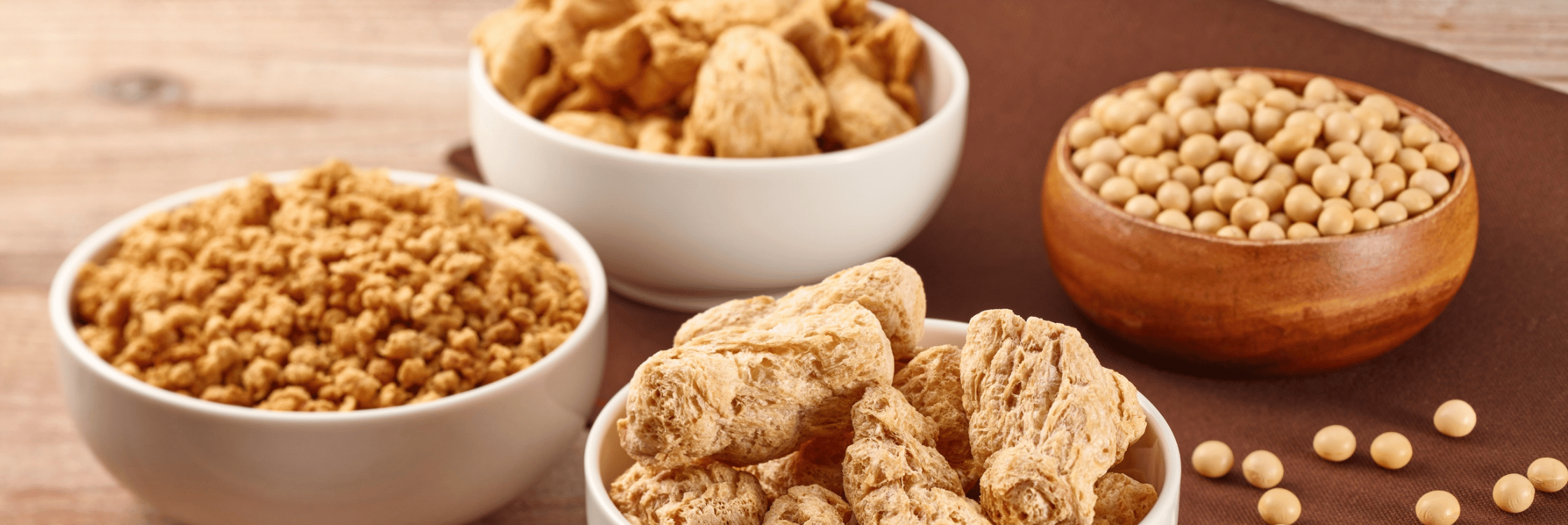
As plant-based nutrition continues to expand across beverages, sports nutrition, bakery, snacks, dairy alternatives, and meat analogues, formulators are increasingly faced with a practical question: should I use pea protein or soy protein?
The answer depends less on which protein is "better" and more on what your formulation is trying to achieve. From allergen considerations and nutritional targets to texture, processing stability, and cost, both proteins bring distinct advantages to the table.
Understanding the Two Ingredients
Pea Protein Isolate
Derived from yellow peas, Pea Protein Isolate typically contains over 80% protein and is widely used in plant-based beverages, meat alternatives, snacks, and vegan nutrition products. It is valued for its allergen-friendly profile, strong emulsification properties, and suitability for clean-label formulations.
Soy Protein Isolate
Soy Protein Isolate is one of the most established plant proteins in the food industry, containing over 90% protein. It offers excellent dispersibility, heat stability, emulsification, and functionality, making it suitable for beverages, meal replacements, dairy alternatives, bakery products, and sports nutrition applications.
Beyond Protein Content: The Amino Acid Difference
Protein percentage tells only part of the story. The amino acid composition of a protein determines its overall nutritional quality and how effectively it supports muscle maintenance, recovery, and protein synthesis. Both pea and soy protein contain all essential amino acids, but their profiles differ.
Soy Protein Isolate
Soy protein offers a well-balanced essential amino acid profile and is particularly rich in:
- Leucine
- Isoleucine
- Valine (BCAAs)
- Lysine
Its amino acid composition is one of the reasons it is widely used in sports nutrition and high-protein food applications.
Pea Protein Isolate
Pea protein provides strong levels of:
- Lysine
- Arginine
- Branched-chain amino acids (BCAAs)
However, it contains lower levels of methionine and cysteine compared to soy protein. This is why formulators often use pea protein in combination with other plant protein sources to create a more balanced amino acid profile.
Functional Performance: Where Each Protein Excels
Choose Pea Protein Isolate When:
- Allergen-friendly positioning is important
- Developing plant-based meat products
- Building vegan or clean-label formulations
- Looking for strong water and oil binding properties
- Formulating products with plant-forward positioning
Choose Soy Protein Isolate When:
- High protein content is a priority
- Beverage stability is critical
- Processing conditions involve heat treatment
- Strong emulsification is required
- Developing sports nutrition or meal replacement products
Pea Protein vs Soy Protein: A Practical Comparison

The Right Protein Depends on the Brief
There is no universal winner in the pea protein vs soy protein discussion. If allergen-friendly positioning, plant-based meat development, or clean-label formulations are the priority, pea protein may be the preferred choice. If the objective is maximum protein content, superior processing performance, and broad application versatility, soy protein isolate often offers greater functionality.
Increasingly, formulators are also exploring blended protein systems that combine the strengths of multiple protein sources to achieve nutritional, functional, and commercial objectives.
How Ace International Supports Plant Protein Formulation
At Ace International, we supply high-quality Pea Protein Isolate and Soy Protein Isolate to food, beverage, and nutrition manufacturers across India. Whether you are developing a protein beverage, dairy alternative, nutrition product, snack, bakery application, or plant-based meat solution, selecting the right protein ingredient can have a significant impact on nutritional profile, functionality, processing performance, and consumer acceptance.
Because successful product development starts with choosing the right protein for the right application.
Interested in learning more? Explore our Pea Protein Isolate and Soy Protein Isolate pages for detailed specifications, applications, and ingredient insights
Contact our team at sales@aceinternational.co.in for technical datasheets and samples.
Latest Blogs
-
 Aug 31, 2025 > By Ingredient Spotlight
 -
 Oct 04, 2025 > By Innovation
 -
 Oct 04, 2025 > By Ingredient Spotlight
 -
 Nov 27, 2025 > By Press Release
 -
 Apr 13, 2026 > By Thought Leadership
 -
 May 04, 2026 > By Thought Leadership
 -
 Jun 05, 2026 > By Ingredient Spotlight
 -
 Jul 16, 2026 > By Thought Leadership
 -
 Sep 07, 2026 > By Thought Leadership